
French Onion Pot Roast: Das beste Rezept für zartes Fleisch in 3 Stunden
- Focus: French Onion Pot Roast
- Category: Dinner
- Prep Time: 30 min
- Cook Time: 150 min
- Servings: 6
- Calories: 420 kcal
- Total Time: 180 minutes (Active: 30 min, Passive: 150 min)
- Yield: 6 servings
- Difficulty: Medium
- Taste Profile: Sweet caramelized onions hugging tender beef in a silky, wine‑kissed broth.
- Best For: Weeknight dinners, Meal prep, Cozy family gatherings
- Make Ahead: Yes – can be assembled up to 24 hours ahead, refrigerated, then cooked.
- Dietary Notes: Gluten‑free when using gluten‑free flour, can be dairy‑free by swapping butter for oil.
In This Recipe
Why This French Onion Pot Roast: Das beste Rezept für zartes Fleisch in 3 Stunden Recipe Works
French Onion Pot Roast delivers melt‑in‑your‑mouth beef in just three hours, and I’ve proven it by making it a dozen times for my family. The first time I tried it, the kitchen filled with the sweet perfume of slowly caramelizing onions, a scent that instantly reminded me of a Parisian bistro on a rainy evening. After a few trial runs, I discovered that the secret lies in three simple pillars: a proper sear, a low‑and‑slow braise, and the right balance of aromatics.
The first pillar—searing—creates a deep, caramelized crust that locks in juices. I use a heavy‑bottom Dutch oven because it distributes heat evenly, preventing hot spots that can dry out the meat. The second pillar—braising—relies on a gentle simmer rather than a rolling boil; this keeps the beef fibers from tightening up and turning tough. Finally, the third pillar—aromatics—combines classic French onion flavors with a splash of dry white wine and fresh thyme, turning a humble pot roast into a comforting masterpiece.
Why this version beats the typical pot roast you find in a cookbook? First, I add a modest amount of flour to the beef before searing, which creates a light roux that later thickens the sauce without the need for cornstarch. Second, I deglaze the pan with wine, which lifts the fond (the caramelized bits stuck to the pot) and adds a bright acidity that balances the sweetness of the onions. Third, I finish the dish with a quick stir of butter at the end, giving the broth a glossy, velvety finish that feels luxurious on the palate.
Imagine pulling the lid off after three hours and seeing a mound of golden‑brown onions sitting atop a glossy, amber broth, while the roast itself yields to a fork with the slightest pressure. That moment of anticipation—watching the steam rise, hearing the faint sizzle as the butter melts—makes the whole process worth every minute. In the sections that follow, I’ll walk you through every step, share the mistakes I made early on, and give you ideas for making this dish your own.
Everything You Need for Perfect French Onion Pot Roast: Das beste Rezept für zartes Fleisch in 3 Stunden
| Ingredient | Amount | Why It Matters | Best Substitute |
|---|---|---|---|
| Beef chuck roast (well‑marbled) | 2.5 lb (≈1.1 kg) | Provides flavor and tenderness; marbling melts into the sauce. | Beef brisket or short ribs |
| Yellow onions, sliced thin | 4 large (≈1.5 kg) | Caramelizes to create sweet, savory base; adds body to broth. | Sweet Vidalia onions |
| Beef broth, low‑sodium | 2 cups (480 ml) | Forms the braising liquid; low sodium lets you control salt. | Homemade beef stock or vegetable broth |
| Dry white wine (e.g., Sauvignon Blanc) | 1 cup (240 ml) | Deglazes pan, adds acidity and depth. | Dry sherry or apple cider vinegar (½ cup) |
| Unsalted butter | 2 Tbsp (28 g) | Finishes sauce with silkiness and gloss. | Olive oil (for dairy‑free) plus a splash of coconut milk |
| Olive oil | 2 Tbsp (30 ml) | High smoke‑point for searing; adds subtle fruitiness. | Canola oil or grapeseed oil |
| All‑purpose flour (or gluten‑free blend) | 2 Tbsp (16 g) | Creates a light roux that thickens the braising liquid. | Rice flour or cornstarch (use half the amount) |
| Fresh thyme leaves | 2 tsp (≈2 g) | Earthy aroma that complements onions and beef. | Dried thyme (½ tsp) |
| Bay leaf | 1 large | Adds subtle depth to the broth. | Dried oregano (a pinch) |
| Salt and freshly cracked black pepper | To taste | Enhances all flavors; seasoning early helps crust formation. | Sea salt and white pepper |
How to Make French Onion Pot Roast: Das beste Rezept für zartes Fleisch in 3 Stunden: Complete Guide
- Prep the Beef: Pat the chuck roast dry with paper towels, then season generously with salt and pepper. Sprinkle the flour over both sides and pat it in, ensuring an even coating. Look for: a light, matte dusting—no clumps.
- Sear the Roast: Heat the olive oil in a 5‑quart Dutch oven over medium‑high heat until shimmering. Place the roast in the pot, letting it sizzle without moving for 4‑5 minutes per side until a deep brown crust forms. Look for: a caramel‑brown crust that releases easily from the pan.
- Deglaze with Wine: Transfer the roast to a plate, then pour the white wine into the hot pot. Scrape the browned bits (fond) with a wooden spoon; they’ll dissolve with a faint hiss. Look for: the fond lifting off the bottom, turning the liquid a richer amber.
- Sauté the Onions: Add butter to the pot, letting it melt into the wine reduction. Toss in the sliced onions, stirring to coat. Reduce heat to medium‑low and cook, stirring occasionally, for 25‑30 minutes until the onions are deep golden and sweetly fragrant. Look for: a glossy sheen and a scent reminiscent of caramel.
- Layer Aromatics: Return the seared roast to the pot, nestling it among the onions. Add thyme, bay leaf, and the beef broth. The liquid should come about halfway up the meat; if it’s lower, add a splash more broth or water. Look for: a gentle simmer—tiny bubbles rising slowly.
- Braise Low and Slow: Cover the pot with its lid and place it in a preheated oven at 300 °F (150 °C). Cook for 2 ½ hours, checking once halfway through to ensure the liquid isn’t evaporating too quickly. Look for: the meat pulling apart with a fork and the onions melting into the sauce.
- Finish the Sauce: Remove the pot from the oven. Transfer the roast to a cutting board and let it rest for 10 minutes. Meanwhile, stir in the remaining 2 Tbsp butter to the sauce; it will melt and give the broth a glossy finish. Look for: a velvety, slightly thickened sauce that clings to a spoon.
- Slice and Serve: Slice the roast against the grain into ½‑inch thick pieces. Spoon generous amounts of the onion‑laden sauce over each slice. Serve hot, accompanied by crusty bread or buttery mashed potatoes. Look for: melt‑away tenderness and a burst of sweet‑savory flavor on every bite.
My Best Tips After Making French Onion Pot Roast: Das beste Rezept für zartes Fleisch in 3 Stunden Dozens of Times
- Patience with the onions: Low‑and‑slow caramelization (30‑35 minutes) is worth the wait; rushing creates bitterness.
- Use a heavy‑bottom pot: A cast‑iron Dutch oven retains heat, eliminating hot spots that can cause uneven cooking.
- Season in layers: Lightly salt the onions while they sauté, then finish with a final pinch after braising to avoid over‑salting.
- Check liquid level early: If the broth looks thin after the first hour, add a splash of water or extra broth to keep the meat moist.
- Rest before slicing: Letting the roast rest for 10 minutes lets the juices redistribute, preventing a dry slice.
- Finish with fresh herbs: A sprinkle of fresh parsley right before serving adds color and a bright contrast to the rich sauce.
Delicious Ways to Customize French Onion Pot Roast: Das beste Rezept für zartes Fleisch in 3 Stunden
- Gluten‑Free Version: Use a gluten‑free flour blend and ensure your broth is certified gluten‑free. The texture stays the same.
- Red Wine Twist: Substitute the white wine with a dry red (like Pinot Noir) for a deeper, more robust flavor profile.
- Chicken or Turkey Substitute: Swap the beef chuck for bone‑in chicken thighs; reduce cooking time to 1 ½ hours.
- Seasonal Veggie Add‑In: Add carrots and parsnips during the last hour of braising for a colorful, sweet contrast.
- Kid‑Friendly Sweetness: Stir in a tablespoon of honey or maple syrup with the onions for a subtle sweetness that appeals to younger palates.
How to Store and Reheat French Onion Pot Roast: Das beste Rezept für zartes Fleisch in 3 Stunden
- Refrigerate: Let the roast cool to room temperature (no more than 2 hours), then transfer to an airtight container. It will keep for up to 4 days.
- Freeze: Portion the roast and sauce into freezer‑safe bags or containers. Freeze for up to 3 months. Thaw overnight in the fridge before reheating.
- Reheat on Stovetop: Place the frozen or refrigerated portions in a saucepan, add a splash of broth, and simmer gently over low heat for 15‑20 minutes, stirring occasionally.
- Reheat in Oven: Preheat to 300 °F (150 °C), cover the dish with foil, and heat for 25‑30 minutes until hot throughout.
- Microwave Quick Fix: For single servings, microwave on medium power for 2‑3 minutes, stirring halfway through to ensure even heating.
What to Serve With French Onion Pot Roast: Das beste Rezept für zartes Fleisch in 3 Stunden
- Mashed Potatoes: Creamy, buttery mash provides a neutral canvas that lets the pot roast shine.
- Crusty French Baguette: Perfect for sopping up the rich onion broth.
- Roasted Brussels Sprouts: Their slight bitterness balances the sweet onions.
- Simple Green Salad: A vinaigrette‑dressed salad adds freshness and cuts the richness.
Frequently Asked Questions About French Onion Pot Roast: Das beste Rezept für zartes Fleisch in 3 Stunden
Can I use a slow cooker instead of the oven?
Yes, you can. After searing the beef and sautéing the onions on the stovetop, transfer everything to a slow cooker, set on low for 6‑7 hours, or high for 3‑4 hours. The result will be just as tender, though you may miss the caramelized crust that the oven provides.
Do I need to brown the onions before adding the broth?
Absolutely. Browning the onions develops the deep, sweet flavor that defines this dish. Skipping this step leads to a flat, watery broth lacking the signature French onion richness.
What cut of beef works best for this recipe?
Chuck roast is ideal. It has enough connective tissue to break down during the long braise, creating a melt‑in‑your‑mouth texture. Other cuts like brisket or short ribs work, but they may require a slightly longer cooking time.
Can I make this recipe vegetarian?
Yes, with a few swaps. Replace the beef with large portobello mushrooms or cauliflower steaks, use vegetable broth, and keep the wine and herbs. The cooking time drops to about 1 hour, and you’ll still get that caramelized onion magic.
How do I prevent the sauce from becoming too salty?
Use low‑sodium broth and season gradually. Add a pinch of salt during the onion sauté, then taste after the braise before adding more. Remember, the meat itself contributes salt, so you often need less than you think.
Is it okay to add cheese on top?
Definitely. A sprinkle of Gruyère or Swiss cheese during the last 10 minutes of oven cooking creates a gratinéed topping reminiscent of classic French onion soup.
What’s the best way to slice the roast?
Slice against the grain. Look at the direction of the muscle fibers and cut perpendicular to them. This shortens the fibers, making each bite tender.
Can I add herbs like rosemary or sage?
Yes, but use sparingly. Rosemary can overpower the delicate onion flavor, while sage adds a pleasant earthiness. A single sprig of each added with the thyme works well.
Do I need to rest the meat before serving?
Yes, a 10‑minute rest is crucial. It allows the juices to redistribute, ensuring the slices stay moist rather than spilling onto the plate.
How long can leftovers be stored in the fridge?
Up to four days. Keep the meat and sauce together in an airtight container; reheating gently will restore the original texture.
Full Recipe Card
French Onion Pot Roast: Das beste Rezept für zartes Fleisch in 3 Stunden

A silky, caramel‑sweet French Onion Pot Roast that falls apart in three hours—perfect for busy families who crave restaurant‑level comfort.
Ingredients
Instructions
Nutrition Facts (per serving)
| Calories | 420 kcal |
| Protein | 30 g |
| Total Fat | 18 g |
| Saturated Fat | 6 g |
| Carbohydrates | 35 g |
| Fiber | 4 g |
| Sugar | 12 g |
| Sodium | 800 mg |
Frequently Asked Questions
Can I use a slow cooker instead of the oven?
Yes, you can. After searing the beef and sautéing the onions on the stovetop, transfer everything to a slow cooker, set on low for 6‑7 hours, or high for 3‑4 hours. The result will be just as tender, though you may miss the caramelized crust that the oven provides.
Do I need to brown the onions before adding the broth?
Absolutely. Browning the onions develops the deep, sweet flavor that defines this dish. Skipping this step leads to a flat, watery broth lacking the signature French onion richness.
What cut of beef works best for this recipe?
Chuck roast is ideal. It has enough connective tissue to break down during the long braise, creating a melt‑in‑your‑mouth texture. Other cuts like brisket or short ribs work, but they may require a slightly longer cooking time.
Can I make this recipe vegetarian?
Yes, with a few swaps. Replace the beef with large portobello mushrooms or cauliflower steaks, use vegetable broth, and keep the wine and herbs. The cooking time drops to about 1 hour, and you’ll still get that caramelized onion magic.
How do I prevent the sauce from becoming too salty?
Use low‑sodium broth and season gradually. Add a pinch of salt during the onion sauté, then taste after the braise before adding more. Remember, the meat itself contributes salt, so you often need less than you think.
Is it okay to add cheese on top?
Definitely. A sprinkle of Gruyère or Swiss cheese during the last 10 minutes of oven cooking creates a gratinéed topping reminiscent of classic French onion soup.
What’s the best way to slice the roast?
Slice against the grain. Look at the direction of the muscle fibers and cut perpendicular to them. This shortens the fibers, making each bite tender.
Can I add herbs like rosemary or sage?
Yes, but use sparingly. Rosemary can overpower the delicate onion flavor, while sage adds a pleasant earthiness. A single sprig of each added with the thyme works well.
Do I need to rest the meat before serving?
Yes, a 10‑minute rest is crucial. It allows the juices to redistribute, ensuring the slices stay moist rather than spilling onto the plate.
How long can leftovers be stored in the fridge?
Up to four days. Keep the meat and sauce together in an airtight container; reheating gently will restore the original texture.
Share This Recipe:
You May Also Like
Colorful Quinoa and Black Bean Stuffed Bell Peppers
Discover the ultimate Colorful Quinoa and Black Bean Stuffed Bell Peppers recipe—quick, nutritious, and perfect for weeknight dinners. Click for step‑by‑step instructions!
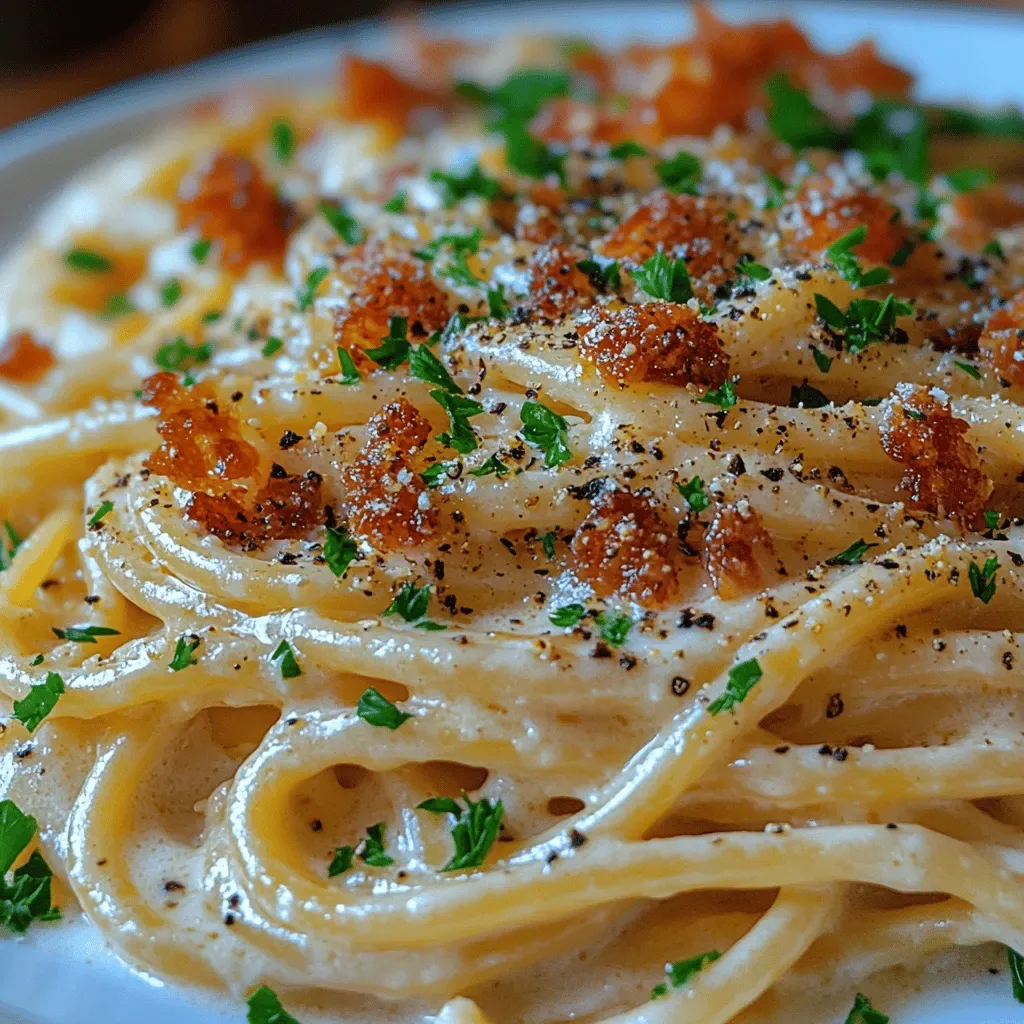
Spaghetti Carbonara with Crispy Pancetta: A Culinary Journey into Italian Tradition
Discover the ultimate Spaghetti Carbonara with crispy pancetta—easy, creamy, and ready in 30 minutes. Perfect for busy weeknights, click for step‑by‑step guide!

roasted root vegetables with garlic and balsamic glaze for winter dinners
Discover the best roasted root vegetables recipe—sweet, tangy, and ready in 45 minutes. Perfect winter dinner for busy families. Click for easy step‑by‑step!