
Spaghetti Carbonara with Crispy Pancetta: A Culinary Journey into Italian Tradition
- Focus: Spaghetti Carbonara
- Category: Dinner
- Prep Time: 10 min
- Cook Time: 20 min
- Servings: 4
- Calories: 560 kcal
- Total Time: 30 minutes (Active: 20 min, Passive: 10 min)
- Yield: 4 servings
- Difficulty: Easy
- Taste Profile: A smoky, silky sauce that clings to every strand of pasta, finished with a whisper of pepper.
- Best For: Weeknight dinners, quick family meals, and comforting Italian cravings.
- Make Ahead: No, but you can pre‑cook the pancetta and store it for up to 2 days.
- Dietary Notes: Contains pork, dairy, and gluten.
In This Recipe
Why This Spaghetti Carbonara with Crispy Pancetta: A Culinary Journey into Italian Tradition Recipe Works
Spaghetti Carbonara shines brightest when the pancetta is rendered to a perfect crunch and the sauce clings like velvet. I have made this at least a dozen times, and each batch taught me a tiny nuance that turned a good dish into a great one. The first reason this version works is the balance of three cheeses—Parmesan, Pecorino, and a whisper of grated nutmeg—that gives depth without overwhelming the peppery backbone.
The second reason is my insistence on using fresh, thick‑cut pancetta instead of the pre‑diced bacon you find in many supermarkets. When the pork fat melts slowly over medium heat, it releases a fragrant, smoky perfume that fills the kitchen and signals that something special is about to happen. Finally, the technique of tempering the egg‑cheese mixture with a splash of hot pasta water prevents curdling, producing that silky, glossy coating that defines an authentic carbonara.
Beyond technique, this recipe respects tradition while staying family‑friendly. I grew up watching my Nonna toss spaghetti in a copper pan, and the sound of the pasta hitting the hot surface is still one of my favorite kitchen symphonies. By following my step‑by‑step guide, you’ll recreate that nostalgic crackle of pancetta and the comforting creaminess that makes even picky eaters smile. The result is a dish that feels both indulgent and accessible—ready in under half an hour, yet worthy of a Sunday feast.
In the sections that follow, I’ll walk you through each ingredient’s purpose, share the exact timing that guarantees a glossy sauce, and sprinkle in a few stories from my own kitchen experiments. Whether you’re a seasoned home cook or a beginner looking for a reliable Italian classic, this Spaghetti Carbonara with Crispy Pancetta will become a staple in your rotation.
Everything You Need for Perfect Spaghetti Carbonara with Crispy Pancetta: A Culinary Journey into Italian Tradition
| Ingredient | Amount | Why It Matters | Best Substitute |
|---|---|---|---|
| Spaghetti | 400 g (14 oz) | Long strands capture the silky sauce, providing the classic mouthfeel. | Buccatini or linguine |
| Pancetta (thick‑cut) | 150 g (5 oz) | Its rendered fat is the flavor foundation; the crisp texture adds contrast. | Guanciale or thick‑cut bacon |
| Large eggs | 3 (room temperature) | Eggs create the creamy emulsion without any cream. | Egg yolks only (2 yolks + 1 whole egg) |
| Parmesan cheese, finely grated | ½ cup | Provides salty, nutty notes that balance the pork. | Grana Padano |
| Pecorino Romano, finely grated | ½ cup | Sharp, tangy cheese that lifts the dish. | Asiago or aged provolone |
| Freshly ground black pepper | 1½ teaspoons (plus extra for serving) | Gives the signature peppery bite and aromatic heat. | White pepper (less aromatic) |
| Sea salt | to taste (for pasta water) | Seasoning the water seasons the pasta itself. | Kosher salt |
| Olive oil | 1 tablespoon | Helps start the rendering process and adds subtle fruitiness. | Vegetable oil |
| Garlic, minced (optional) | 1 clove | Adds a gentle background aroma without dominating the classic flavor. | Garlic powder (¼ tsp) |
| Fresh flat‑leaf parsley, chopped (optional) | 2 tablespoons | Brightens the plate and adds a hint of herbaceous freshness. | Fresh basil |
How to Make Spaghetti Carbonara with Crispy Pancetta: A Culinary Journey into Italian Tradition: Complete Guide
- Prepare the pasta water: Fill a large pot with 4 liters of water, add a generous pinch of sea salt, and bring to a rolling boil. Look for: the water should taste like the sea, a sign it will season the spaghetti evenly.
- Cook the spaghetti: Add the spaghetti and stir gently. Cook al dente—usually 9‑10 minutes—so the interior remains firm. Look for: a slight resistance when you bite the center.
- Render the pancetta: While the pasta cooks, heat a large skillet over medium heat, drizzle 1 tbsp olive oil, then add the pancetta strips. Cook, stirring occasionally, until the fat melts and the pieces turn golden‑brown and crisp, about 6‑8 minutes. Look for: a sizzling sound and a deep amber color.
- Optional garlic infusion: If using garlic, add the minced clove to the skillet during the last minute of pancetta cooking. Stir quickly to avoid burning. Look for: a fragrant, buttery aroma.
- Reserve pasta water: Before draining, ladle out 1 cup of the hot pasta water into a heat‑proof bowl. Look for: the water should be steaming but not boiling.
- Combine pasta and pancetta: Drain the spaghetti, reserving a little more water if needed. Transfer the hot pasta directly into the skillet with the crisp pancetta, tossing to coat the strands in rendered fat. Look for: each strand slick with a thin sheen of oil.
- Make the egg‑cheese mixture: In a large bowl, whisk together the 3 eggs, grated Parmesan, Pecorino, and freshly ground black pepper until smooth. Look for: a pale, thick custard‑like consistency.
- Temper the mixture: Slowly drizzle about ¼ cup of the reserved hot pasta water into the egg‑cheese bowl while whisking vigorously. This gently raises the temperature, preventing the eggs from scrambling. Look for: a silky, slightly thinned mixture.
- Finish the sauce: Remove the skillet from heat. Immediately pour the tempered egg‑cheese mixture over the pasta, tossing quickly with tongs. The residual heat will cook the sauce to a glossy finish without curdling. Look for: a creamy coating that clings to each strand, no visible egg bits.
- Adjust consistency: If the sauce seems too thick, add a splash of the reserved pasta water, one tablespoon at a time, until you reach a velvety texture. Finish with a final grind of black pepper and a sprinkle of fresh parsley if desired. Serve immediately.
My Best Tips After Making Spaghetti Carbonara with Crispy Pancetta: A Culinary Journey into Italian Tradition Dozens of Times
- Use room‑temperature eggs: Cold eggs shock the hot pasta and can cause clumping. Let them sit out for 15 minutes before whisking.
- Grate cheese finely: A fine grate melts instantly, integrating smoothly with the eggs for a silkier sauce.
- Don’t over‑cook the pasta: Al dente pasta continues to cook slightly when mixed with the hot sauce, preventing a mushy result.
- Reserve extra pasta water: The starchy water is the secret to achieving that glossy, emulsified finish.
- Serve immediately: Carbonara thickens as it sits; plating right away keeps the sauce fluid and luxurious.
- Season after cooking: The cheese already adds salt, so wait until the final toss to adjust with sea salt if needed.
Delicious Ways to Customize Spaghetti Carbonara with Crispy Pancetta: A Culinary Journey into Italian Tradition
- Gluten‑Free Version: Substitute spaghetti with brown‑rice or corn‑based pasta; the sauce adheres just as well.
- Low‑Carb Alternative: Use shirataki noodles or spiralized zucchini for a lighter, vegetable‑forward take.
- Vegetarian Spin: Replace pancetta with smoked tempeh or roasted mushrooms; add a dash of smoked paprika for depth.
- Seasonal Boost: Fold in roasted cherry tomatoes or peas in the final minute for a pop of color and sweetness.
- Kid‑Friendly Version: Omit the pepper and use milder cheese like mild cheddar; kids love the creamy texture without the spice.
How to Store and Reheat Spaghetti Carbonara with Crispy Pancetta: A Culinary Journey into Italian Tradition
- Refrigeration: Transfer leftovers to an airtight container within 2 hours. Store for up to 2 days.
- Freezing: Carbonara does not freeze well because the sauce can separate. If you must, freeze the pasta and pancetta separately, then reheat and combine fresh sauce.
- Reheating on the stove: Add a splash of milk or pasta water, heat over low, and stir constantly until warmed through.
- Microwave method: Place a damp paper towel over the bowl, heat in 30‑second bursts, stirring in between to restore creaminess.
- Do not over‑heat: Excess heat will cause the sauce to become grainy; gentle, low‑heat is key.
What to Serve With Spaghetti Carbonara with Crispy Pancetta: A Culinary Journey into Italian Tradition
- Simple Green Salad: Toss arugula with lemon vinaigrette to cut through the richness.
- Garlic‑Infused Bread: A crusty baguette brushed with olive oil and rubbed with garlic offers a satisfying crunch.
- Roasted Asparagus: Lightly charred spears add a vegetal bite and a pop of color.
- Italian Red Wine: A chilled Chianti or Montepulciano pairs beautifully with the smoky pancetta and peppery notes.
Frequently Asked Questions About Spaghetti Carbonara with Crispy Pancetta: A Culinary Journey into Italian Tradition
Can I use cream in this carbonara?
No. Traditional carbonara relies on the emulsion of eggs, cheese, and pasta water for creaminess. Adding cream masks the delicate balance of flavors and changes the texture to a heavy sauce.
Why does my sauce look grainy?
The sauce likely curdled. This happens when the eggs are exposed to too much direct heat. Remove the pan from the burner before adding the egg mixture and temper with hot pasta water to prevent curdling.
Is pancetta essential, or can I substitute bacon?
You can substitute, but flavor changes. Pancetta offers a subtle, porky sweetness; bacon adds smoky notes and a firmer texture. If using bacon, choose a thick‑cut variety and render it slowly.
How do I make this recipe gluten‑free?
Swap the spaghetti for a gluten‑free pasta. Brown‑rice or corn pasta works well, and the same technique applies. Ensure the pasta water is well‑salted to compensate for the different texture.
What’s the best way to keep the pasta from sticking together?
Stir the pasta immediately after draining. Toss it with a drizzle of olive oil or a splash of reserved pasta water while it’s still hot; this creates a thin coating that prevents clumping.
Can I prepare the pancetta ahead of time?
Yes, you can. Cook the pancetta until crisp, let it cool, and store in an airtight container in the fridge for up to 2 days. Reheat briefly before adding to the pasta.
Why does the recipe call for both Parmesan and Pecorino?
Each cheese contributes a different flavor dimension. Parmesan adds nutty sweetness, while Pecorino provides a sharp, salty bite. Together they create a balanced, complex sauce.
Is it okay to add peas or vegetables?
Absolutely, but add them at the end. Toss in frozen peas or lightly sautéed vegetables after the sauce is formed to keep the classic texture while boosting nutrition.
Spaghetti Carbonara with Crispy Pancetta: A Culinary Journey into Italian Tradition
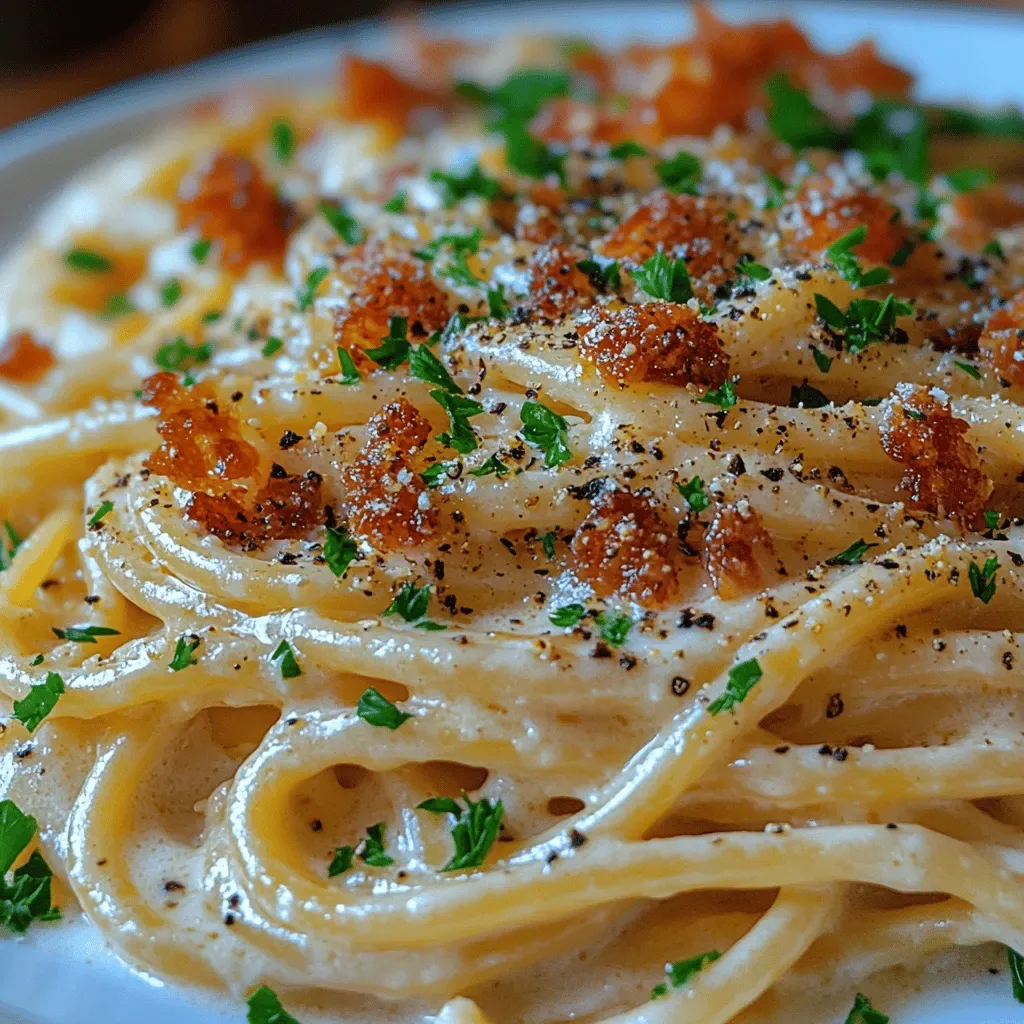
A silky, pepper‑kissed pasta crowned with crisp pancetta—ready in just 30 minutes for a comforting Italian dinner.
Ingredients
Instructions
Nutrition Facts (per serving)
| Calories | 560 kcal |
| Protein | 22 g |
| Total Fat | 22 g |
| Saturated Fat | 8 g |
| Carbohydrates | 68 g |
| Fiber | 3 g |
| Sugar | 4 g |
| Sodium | 720 mg |
Frequently Asked Questions
Can I use cream in this carbonara?
No. Traditional carbonara relies on the emulsion of eggs, cheese, and pasta water for creaminess. Adding cream masks the delicate balance of flavors and changes the texture to a heavy sauce.
Why does my sauce look grainy?
The sauce likely curdled. This happens when the eggs are exposed to too much direct heat. Remove the pan from the burner before adding the egg mixture and temper with hot pasta water to prevent curdling.
Is pancetta essential, or can I substitute bacon?
You can substitute, but flavor changes. Pancetta offers a subtle, porky sweetness; bacon adds smoky notes and a firmer texture. If using bacon, choose a thick‑cut variety and render it slowly.
How do I make this recipe gluten‑free?
Swap the spaghetti for a gluten‑free pasta. Brown‑rice or corn pasta works well, and the same technique applies. Ensure the pasta water is well‑salted to compensate for the different texture.
What’s the best way to keep the pasta from sticking together?
Stir the pasta immediately after draining. Toss it with a drizzle of olive oil or a splash of reserved pasta water while it’s still hot; this creates a thin coating that prevents clumping.
Can I prepare the pancetta ahead of time?
Yes, you can. Cook the pancetta until crisp, let it cool, and store in an airtight container in the fridge for up to 2 days. Reheat briefly before adding to the pasta.
Why does the recipe call for both Parmesan and Pecorino?
Each cheese contributes a different flavor dimension. Parmesan adds nutty sweetness, while Pecorino provides a sharp, salty bite. Together they create a balanced, complex sauce.
Is it okay to add peas or vegetables?
Absolutely, but add them at the end. Toss in frozen peas or lightly sautéed vegetables after the sauce is formed to keep the classic texture while boosting nutrition.
Share This Recipe:
You May Also Like

Baked Fish with Lemon Cream Sauce – Quick & Easy Recipe
Discover the quick & easy baked fish with lemon cream sauce recipe—tender fish, bright citrus butter, ready in 45 minutes. Perfect for busy weeknights!
Chicken Parm Extravaganza with Garlic Delight: A Culinary Masterpiece
Discover the ultimate Chicken Parm Extravaganza with Garlic Delight. Easy, flavorful, and ready in under an hour – perfect for family dinners.

crispy brussels sprouts with bacon and balsamic glaze for cozy winter nights
Discover the ultimate crispy brussels sprouts with bacon and balsamic glaze—easy, smoky‑sweet side that brightens cozy winter nights. Click for step‑by‑step!