
tender herbcrusted prime rib with garlic and thyme butter
- Focus: herbcrusted prime rib
- Category: Dinner
- Prep Time: 30 min
- Cook Time: 120 min
- Servings: 6
- Calories: 620 kcal
- Total Time: 170 minutes (Active: 30 min, Passive: 140 min)
- Yield: 6 servings
- Difficulty: Medium
- Taste Profile: A rich, buttery herb crust that gives way to melt‑in‑your‑mouth, pink‑centered prime rib.
- Best For: Holiday feasts, Sunday dinner, special occasions
- Make Ahead: Yes – crust can be prepared up to 24 hours ahead (prep 30 min, chill 12 hrs)
- Dietary Notes: Gluten‑free when using GF breadcrumbs; contains dairy.
In This Recipe
Why This tender herbcrusted prime rib with garlic and thyme butter Recipe Works
herbcrusted prime rib is the star of any celebratory table because the combination of a crunchy herb crust and a buttery, aromatic finish creates a flavor profile that feels both luxurious and comforting. I have made this at least a dozen times, and each iteration taught me something new about timing, seasoning, and the power of a good butter compound. The moment the rib hits the oven, the kitchen fills with the earthy perfume of rosemary, the sharp bite of garlic, and the sweet whisper of thyme—signaling that a memorable meal is on its way.
The first reason this version outshines a standard roast is the herb‑crust technique. By mixing fresh herbs, garlic, and a light coating of Dijon mustard with panko breadcrumbs, the outer layer forms a golden, crackly shield that locks in juices while adding a textural contrast. The second reason is the garlic‑thyme butter that melts over the hot meat in the final minutes, creating a glossy, silky glaze that seeps into every fiber. Finally, the low‑and‑slow roasting method—starting at a high temperature to sear, then lowering to a gentle 275 °F—ensures an even pink interior from edge to center.
When I first tried a traditional dry‑rub on a holiday prime rib, the meat was flavorful but the crust was uneven and the butter I added at the end simply pooled on the pan. After experimenting with the herb crust and finishing butter, I realized that the butter should be introduced while the rib is still hot, allowing it to emulsify with the meat’s natural juices. This subtle change transformed the dish from “good” to “show‑stopping.” If you follow the steps below, you’ll get a rib that looks restaurant‑ready and tastes like it was cooked by a seasoned chef.
Expect a beautiful mahogany crust, a tender pink center that registers 130 °F on a probe, and a lingering herb‑butter finish that makes every bite feel intentional. The recipe is designed for busy families: the crust can be pre‑made the night before, the roast itself is largely hands‑off, and the final butter melt takes just minutes. Let’s dive into the details that make this herbcrusted prime rib a reliable crowd‑pleaser.
Everything You Need for Perfect tender herbcrusted prime rib with garlic and thyme butter
| Ingredient | Amount | Why It Matters | Best Substitute |
|---|---|---|---|
| Bone‑in prime rib (rib roast, 4–5 lb) | 1 large roast | The bone adds flavor and helps the meat stay juicy during long roasting. | Boneless prime rib (add extra butter for moisture) |
| Kosher salt | 2 tbsp | Coarse salt draws out moisture for a better crust and seasons deeply. | Sea salt |
| Freshly ground black pepper | 1 tbsp | Provides a subtle heat that balances the herbs. | White pepper |
| Fresh rosemary, minced | 2 tbsp | Rosmary’s piney aroma penetrates the crust and pairs with beef. | Dried rosemary (½ tsp) |
| Fresh thyme leaves | 2 tbsp | Thyme adds a sweet‑earthy note that complements garlic. | Dried thyme (½ tsp) |
| Fresh parsley, finely chopped | 2 tbsp | Parsley brightens the herb mix and adds color. | Flat‑leaf parsley flakes |
| Garlic cloves, minced | 6 large cloves | Garlic gives depth and a savory backbone to the crust. | Garlic powder (1 tsp) |
| Olive oil | 2 tbsp | Helps the herb mixture adhere and starts the browning process. | Vegetable oil |
| Dijon mustard | 1 tbsp | Acts as a binder for the crust and adds a subtle tang. | Whole‑grain mustard |
| Panko breadcrumbs (or gluten‑free breadcrumbs) | 1 cup | Creates the crunchy texture that defines the herbcrusted exterior. | Crushed cornflakes |
| Unsalted butter, softened | ½ cup (1 stick) | Forms the base for the garlic‑thyme butter and adds richness. | Ghee (same amount) |
| Lemon zest | 1 tsp | Brightens the butter, cutting through the richness. | Orange zest (½ tsp) |
How to Make tender herbcrusted prime rib with garlic and thyme butter: Complete Guide
- Prepare the meat: Pat the prime rib dry with paper towels. Look for: a uniformly dry surface that will help the crust adhere.
- Season the roast: Rub kosher salt and black pepper all over the meat, making sure to get into the crevices. Look for: a faint sheen from the oil in the salt.
- Make the herb crust: In a bowl, combine minced rosemary, thyme, parsley, garlic, olive oil, Dijon mustard, and panko breadcrumbs. Mix until the crumbs are evenly coated. Look for: a slightly damp, crumbly mixture that holds together when pressed.
- Apply the crust: Press the herb mixture onto the entire surface of the roast, creating an even ¼‑inch layer. Look for: the crust hugging the meat without gaps.
- Pre‑heat the oven: Set to 450 °F (230 °C). The high heat will give the crust an immediate burst of color.
- Roast at high heat: Place the rib on a rack in a roasting pan, bone side down. Roast for 20 minutes to develop a deep golden crust. Listen for: a faint sizzle as the fat renders.
- Lower the temperature: Reduce oven to 275 °F (135 °C) and continue roasting until an instant‑read thermometer registers 130 °F for medium‑rare, about 1 hour 30 minutes for a 4‑lb roast. Feel for: the meat’s firmness—still yielding slightly under gentle pressure.
- Rest the meat: Remove the roast, tent loosely with foil, and let it rest for 20 minutes. Resting allows juices to redistribute. Watch for: a slight steam cloud escaping the foil.
- Make the garlic‑thyme butter: While the meat rests, whisk softened butter with minced garlic, thyme leaves, and lemon zest until smooth. Smell the: bright citrus‑herb aroma.
- Finish the rib: Slice the roast into ½‑inch thick slices, then dollop a spoonful of the garlic‑thyme butter on each piece. The butter will melt instantly, coating the herb crust. Observe: the glossy sheen that forms on each slice.
My Best Tips After Making tender herbcrusted prime rib with garlic and thyme butter Dozens of Times
- Tip 1 – Use a meat thermometer: Relying on time alone can lead to over‑ or under‑cooked meat. Aim for 130 °F for medium‑rare; the temperature will rise 5‑10 °F while resting.
- Tip 2 – Dry‑brine overnight: Salt the roast and leave uncovered in the fridge for 12‑24 hours. This concentrates flavor and dries the surface for a better crust.
- Tip 3 – Choose a heavy‑bottomed roasting pan: It distributes heat evenly, preventing hot spots that could burn the herb crust.
- Tip 4 – Add a splash of beef broth to the pan: During the low‑heat phase, a little liquid keeps the pan from drying out and can be turned into a quick jus.
- Tip 5 – Let the butter come to room temperature before whisking: Softened butter emulsifies more easily with garlic and thyme, giving a smoother finish.
- Tip 6 – Slice against the grain: Cutting perpendicular to the muscle fibers ensures each bite is tender.
Delicious Ways to Customize tender herbcrusted prime rib with garlic and thyme butter
- Gluten‑Free Crust: Substitute panko with crushed rice crackers or almond meal for a nutty, grain‑free version.
- Spicy Kick: Add ½ tsp smoked paprika and a pinch of cayenne to the herb mixture for a subtle heat that complements the beef.
- Smoked Variation: Smoke the roast on a grill for 1 hour at 225 °F before finishing in the oven; the smoky flavor pairs beautifully with the herb butter.
- Herb‑Butter Infusion: Mix in finely chopped sage and a drizzle of truffle oil into the butter for an upscale, earthy twist.
- Kid‑Friendly Version: Omit the thyme and rosemary, replace with dried Italian seasoning, and serve with a side of mashed potatoes and peas.
How to Store and Reheat tender herbcrusted prime rib with garlic and thyme butter
- Refrigerator: Cool the sliced rib to room temperature (no more than 2 hours), then place in an airtight container. It will keep for up to 4 days.
- Freezer: Wrap the whole roast tightly in plastic wrap, then foil, and freeze for up to 3 months. Thaw overnight in the fridge before reheating.
- Reheating (oven): Preheat to 275 °F, place slices on a baking sheet, cover loosely with foil, and warm for 15‑20 minutes. Add a small pat of butter on top to revive the herb‑butter glaze.
- Reheating (microwave): Use low power (30 %) in 30‑second bursts, covering with a damp paper towel to prevent drying.
- Tip: Store the garlic‑thyme butter separately in a small jar; it can be refreshed and drizzled over reheated slices for maximum flavor.
What to Serve With tender herbcrusted prime rib with garlic and thyme butter
- Roasted root vegetables: Carrots, parsnips, and sweet potatoes tossed in olive oil, salt, and rosemary.
- Garlic‑butter mashed potatoes: Creamy potatoes that echo the butter richness of the rib.
- Green bean almondine: Crisp green beans sautéed with toasted almonds and a squeeze of lemon.
- Full‑bodied red wine: A Cabernet Sauvignon or a Syrah balances the beef’s depth and the herb butter’s aromatics.
Frequently Asked Questions About tender herbcrusted prime rib with garlic and thyme butter
How long should I let the prime rib rest before slicing?
Rest for 20 minutes. This short resting period allows the juices to redistribute, ensuring each slice stays moist. Cutting too early forces the juices out, resulting in a drier bite.
Can I use a boneless prime rib instead of bone‑in?
Yes, but add extra butter. A boneless roast lacks the bone’s insulating effect, so a slightly higher butter content (an extra 2 tbsp) helps maintain juiciness.
What temperature should I aim for for medium‑well?
Target 145 °F internal temperature. Pull the roast at 140 °F; it will climb to 145 °F while resting, giving a pink center without being rare.
Do I need to sear the roast on the stovetop before the oven?
No, the high‑heat oven start creates the sear. A 450 °F blast for the first 20 minutes produces a crust comparable to stovetop searing, saving you a pan.
Can I freeze the herb crust separately?
Yes, freeze the crust in a zip‑top bag for up to 2 months. Thaw it in the fridge before applying; this keeps the breadcrumbs crisp and the herbs fresh.
Is there a way to make this recipe lower in fat?
Use half‑fat butter and reduce the amount of oil in the crust. Replacing half the butter with a light olive oil spread maintains flavor while cutting saturated fat.
What side dishes work best for a gluten‑free version?
Gluten‑free roasted potatoes, sautéed kale, and a quinoa pilaf. All are naturally gluten‑free and complement the herb‑butter richness.
How do I know when the herb crust is done?
Look for a deep golden‑brown color and a fragrant aroma. If the crust darkens too quickly, tent the roast with foil to prevent burning.
Can I prepare the garlic‑thyme butter a day ahead?
Absolutely. Store it in an airtight container in the fridge; bring to room temperature before serving.
What’s the best way to carve a prime rib?
Slice against the grain, starting at the thickest part. Use a sharp carving knife and a gentle sawing motion to keep each slice even.
tender herbcrusted prime rib with garlic and thyme butter

A juicy prime rib coated in a fragrant herb crust and finished with a silky garlic‑thyme butter that melts into every slice.
Ingredients
Instructions
Nutrition Facts (per serving)
| Calories | 620 kcal |
| Protein | 55 g |
| Total Fat | 38 g |
| Saturated Fat | 15 g |
| Carbohydrates | 5 g |
| Fiber | 1 g |
| Sugar | 1 g |
| Sodium | 1150 mg |
Frequently Asked Questions
How long should I let the prime rib rest before slicing?
Rest for 20 minutes. This short resting period allows the juices to redistribute, ensuring each slice stays moist. Cutting too early forces the juices out, resulting in a drier bite.
Can I use a boneless prime rib instead of bone‑in?
Yes, but add extra butter. A boneless roast lacks the bone’s insulating effect, so a slightly higher butter content (an extra 2 tbsp) helps maintain juiciness.
What temperature should I aim for for medium‑well?
Target 145 °F internal temperature. Pull the roast at 140 °F; it will climb to 145 °F while resting, giving a pink center without being rare.
Do I need to sear the roast on the stovetop before the oven?
No, the high‑heat oven start creates the sear. A 450 °F blast for the first 20 minutes produces a crust comparable to stovetop searing, saving you a pan.
Can I freeze the herb crust separately?
Yes, freeze the crust in a zip‑top bag for up to 2 months. Thaw it in the fridge before applying; this keeps the breadcrumbs crisp and the herbs fresh.
Is there a way to make this recipe lower in fat?
Use half‑fat butter and reduce the amount of oil in the crust. Replacing half the butter with a light olive oil spread maintains flavor while cutting saturated fat.
What side dishes work best for a gluten‑free version?
Gluten‑free roasted potatoes, sautéed kale, and a quinoa pilaf. All are naturally gluten‑free and complement the herb‑butter richness.
How do I know when the herb crust is done?
Look for a deep golden‑brown color and a fragrant aroma. If the crust darkens too quickly, tent the roast with foil to prevent burning.
Can I prepare the garlic‑thyme butter a day ahead?
Absolutely. Store it in an airtight container in the fridge; bring to room temperature before serving.
What’s the best way to carve a prime rib?
Slice against the grain, starting at the thickest part. Use a sharp carving knife and a gentle sawing motion to keep each slice even.
Share This Recipe:
You May Also Like

simple onepan chicken and winter vegetable bake with garlic and lemon
Discover the ultimate onepan chicken dinner—garlic, lemon, and winter veggies in 55 minutes. Easy, healthy, and perfect for busy families.

healthy onepot lentil stew with cabbage and parsnips for meal prep
Healthy onepot lentil stew with cabbage and parsnips delivers a hearty, fiber‑rich dinner ready in 45 minutes—perfect for easy and nutritious meal prep.
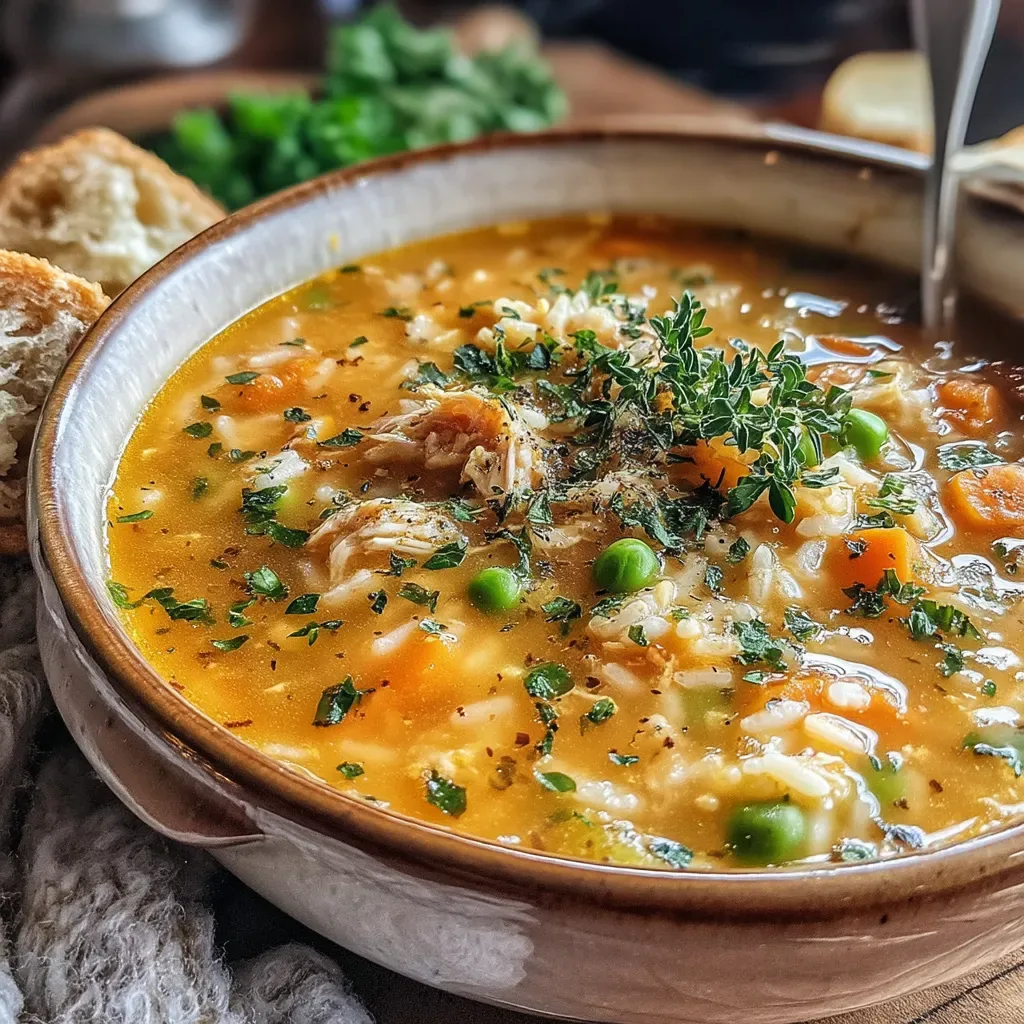
Warm & Cozy Holiday Turkey and Rice Soup
Discover the ultimate Turkey and Rice Soup—warm, hearty, and ready in 60 minutes. Perfect for holiday leftovers, this easy recipe brings comfort to every bowl.