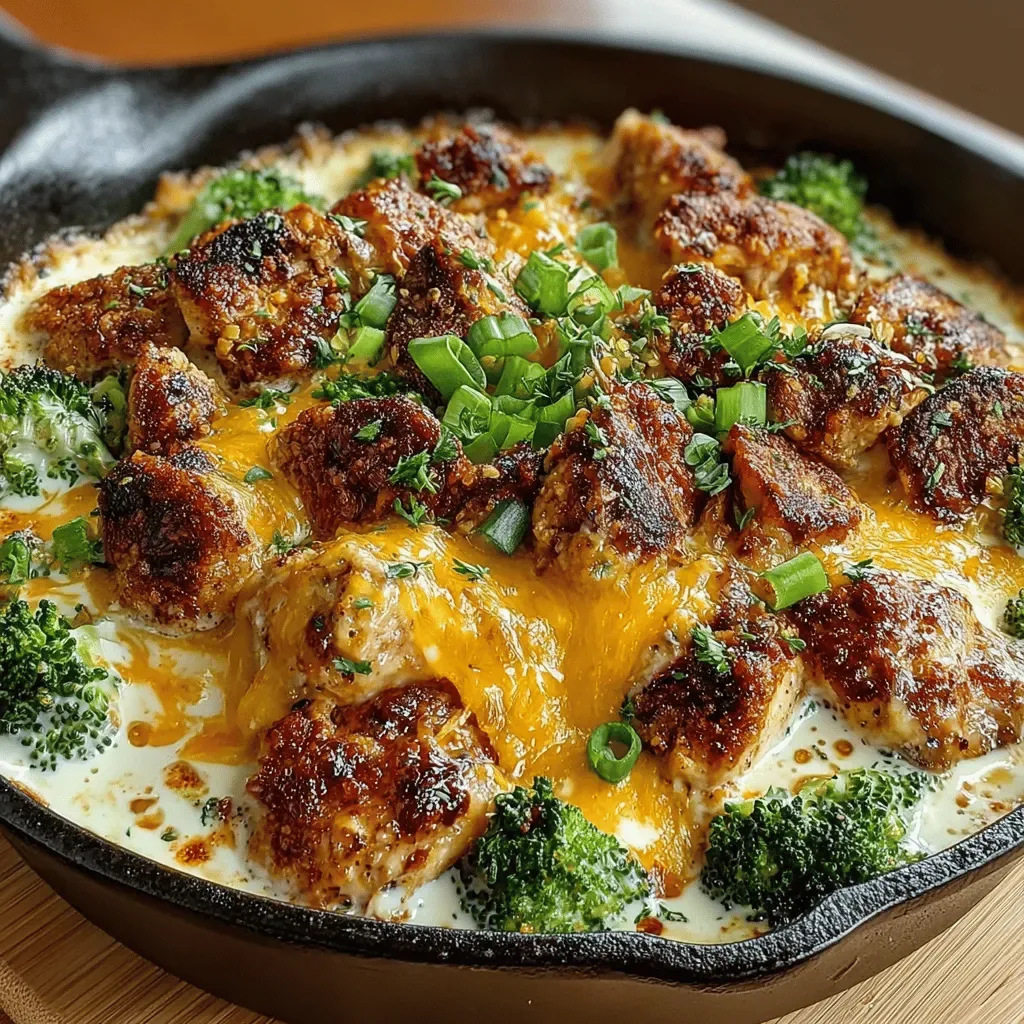
It was a crisp Saturday afternoon in early autumn, the kind of day when the kitchen smells like a promise of comfort. I was standing at the window, watching the leaves turn amber, when a sudden craving for something warm, hearty, and utterly plant‑based hit me. I grabbed a pot, tossed a splash of olive oil into it, and let the garlic sizzle, filling the whole house with a perfume that reminded me of my grandmother’s Sunday meals. The moment I lifted the lid, a cloud of fragrant steam hit me, carrying notes of sweet bell pepper and bright cherry tomatoes that made my mouth water instantly. That was the exact moment I realized I needed a recipe that could capture that cozy feeling while staying light, nutritious, and completely vegetarian.
What makes this pasta dish stand out isn’t just the colorful medley of vegetables or the simple, clean flavors—it’s the way each component plays a distinct role, creating layers of taste that build on one another like a well‑orchestrated symphony. The zucchini adds a buttery softness, the spinach brings a fresh, earthy bite, and the cherry tomatoes burst with juicy sweetness that balances the savory garlic and onion base. All of this is tied together with a modest amount of olive oil, which not only helps the vegetables caramelize but also adds heart‑healthy monounsaturated fats that keep you feeling satisfied without the heaviness of cream‑based sauces. Imagine twirling a forkful of al dente penne that’s coated in a glossy, herb‑infused glaze, each bite delivering a perfect harmony of texture and flavor.
But there’s more to this recipe than just taste. I’ve discovered that the secret to a truly unforgettable vegetarian pasta lies in a few small, often overlooked tricks—like timing the addition of spinach just before the sauce finishes so it wilts but retains its vibrant green, or sprinkling a pinch of oregano at the very end to release its aromatic oils. You’ll also learn why a splash of pasta water is a game‑changer, turning a simple sauté into a silky, clingy sauce that clings lovingly to every curve of the noodles. And wait until you see the secret trick in step 4… it’s a tiny tweak that makes the difference between “good” and “wow, this could be restaurant‑quality!”
Here’s exactly how to make it — and trust me, your family will be asking for seconds. By the end of this article you’ll have a full understanding of why each ingredient matters, how to avoid common pitfalls, and a handful of creative variations that let you tailor the dish to any season or craving. So roll up your sleeves, preheat your mind to curiosity, and let’s dive into the world of delicious, healthy vegetarian pasta that will become a staple in your culinary repertoire.
🌟 Why This Recipe Works
- Flavor Depth: The combination of sautéed garlic, onion, and bell pepper creates a savory foundation that feels rich without any heavy cream. Each vegetable releases its natural sugars, adding a subtle sweetness that balances the acidity of the tomatoes.
- Texture Contrast: Al dente pasta provides a firm bite that contrasts beautifully with the tender zucchini and the delicate wilted spinach. This contrast keeps every forkful interesting and prevents the dish from feeling mushy.
- Ease of Preparation: All ingredients are pantry‑friendly and require only basic kitchen tools, making this recipe perfect for busy weeknights or relaxed weekend cooking sessions.
- Time Efficiency: From start to finish you’ll spend less than 45 minutes, thanks to the quick sauté method and the fact that the sauce builds while the pasta cooks.
- Versatility: You can swap the pasta shape, replace vegetables with seasonal produce, or even add a protein like chickpeas without compromising the core flavor profile.
- Nutrition Boost: Packed with fiber‑rich vegetables, antioxidant‑laden tomatoes, and heart‑healthy olive oil, this dish supports digestion, heart health, and sustained energy.
- Ingredient Quality: Using fresh, locally sourced produce enhances the natural flavors and ensures a vibrant color palette that’s as pleasing to the eye as it is to the palate.
- Crowd‑Pleasing Factor: Even meat‑eaters love the depth of flavor and the comforting familiarity of pasta, making it a reliable go‑to for family gatherings.
🥗 Ingredients Breakdown
The Foundation: Pasta & Olive Oil
The choice of pasta is crucial because it acts as the canvas for the sauce. I prefer penne for its ridges that capture the olive‑oil‑infused sauce, but fusilli or spaghetti work just as well if you’re after a different mouthfeel. The 12‑ounce amount serves 4‑6 people, giving generous portions without leftovers that go stale. Olive oil isn’t just a cooking medium; it adds a subtle fruitiness and helps the vegetables achieve that golden‑brown caramelization that signals flavor development. If you’re looking for a lower‑fat version, you can halve the oil and finish the dish with a drizzle of vegetable broth for moisture.
Aromatics & Spices: Garlic, Onion, & Oregano
Garlic and onion are the classic duo that builds the aromatic backbone of countless cuisines. Minced garlic releases its pungent oils quickly, so keep the heat medium to avoid burning, which would turn it bitter. The onion, chopped finely, softens and sweetens as it sweats in the oil, creating a gentle base for the vegetables. Dried oregano, added towards the end, bursts with Mediterranean sunshine, its piney notes lifting the whole dish. If you love a bit of heat, a pinch of red‑pepper flakes can be tossed in with the garlic for a subtle kick.
The Secret Weapons: Veggies that Shine
Bell pepper brings a crisp sweetness and a splash of color that makes the dish visually appealing. Choose a red or yellow pepper for extra sweetness, or stick with green for a slightly bitter edge that balances the tomatoes. Zucchini, sliced into half‑moons, offers a buttery texture that absorbs the olive oil and seasoning beautifully. Cherry tomatoes, halved, burst open as they cook, releasing juices that form the light sauce—no canned sauce needed! Fresh spinach adds a burst of iron‑rich green; add it at the very end so it wilts just enough to stay vibrant. Each vegetable contributes its own micronutrients, turning a simple pasta into a powerhouse of vitamins.
Finishing Touches: Salt, Pepper, Cheese & Basil
Seasoning is where you truly make the dish yours. Salt draws out the natural flavors of the vegetables, while black pepper adds a gentle warmth that lingers on the palate. A generous sprinkle of grated Parmesan (if you’re not vegan) adds a salty, nutty finish that melts into the sauce, creating a silky coating. Fresh basil, torn just before serving, injects a fragrant, slightly peppery aroma that lifts the entire plate. If you prefer a dairy‑free version, try a drizzle of toasted pine nuts for crunch and a hint of earthiness.
With your ingredients prepped and ready, let's get cooking. Here's where the fun really begins…
🍳 Step-by-Step Instructions
- Boil the Pasta. Bring a large pot of salted water to a rolling boil, then add the 12 oz of pasta. Stir immediately to prevent sticking, and cook until al dente—usually 9‑11 minutes depending on the shape. Before draining, reserve about a cup of the starchy cooking water; this will become liquid gold for the sauce later. The water should taste like the sea, which is the first layer of seasoning for the whole dish. Once cooked, drain and set aside, keeping the pot warm for the next steps.
- Sauté the Aromatics. While the pasta cooks, heat 2 tablespoons of olive oil in a large skillet over medium heat. Add the minced garlic and chopped onion, letting them sweat until the onion becomes translucent and the garlic turns a light golden brown—about 3‑4 minutes. You’ll hear a gentle sizzle, and the kitchen will fill with a sweet, savory aroma that hints at the depth to come. Stir frequently to avoid any burnt spots, which can add unwanted bitterness.
- Add Bell Pepper and Zucchini. Toss in the chopped bell pepper and sliced zucchini, stirring to coat them in the aromatic oil. Cook for about 5‑6 minutes, until the vegetables start to soften and develop a light caramel color. You’ll notice the scent shifting to a sweeter, earthier profile as the natural sugars caramelize. This step is crucial because it builds the base flavor that will carry through the entire dish. Keep the heat at medium to ensure even cooking without burning.
- Introduce the Tomatoes. Add the halved cherry tomatoes to the skillet, stirring gently. As they heat, the tomatoes will burst, releasing their juices and creating a light, bright sauce. Let them cook for 3‑4 minutes, just until the skins start to soften but the flesh remains slightly firm. The sauce should look glossy and slightly thickened—this is where the magic of the dish begins. If the mixture looks dry, splash in a quarter cup of the reserved pasta water and watch it transform into a silky coating.
- Season and Wilt the Spinach. Sprinkle the teaspoon of dried oregano, then season with salt and black pepper to taste. Add the fresh spinach in a generous handful, allowing it to wilt quickly—this takes only about 1‑2 minutes. The spinach will shrink dramatically, so don’t be alarmed; it’s absorbing the sauce and becoming tender. This is the step where patience really pays off—if you rush it, the spinach can become soggy instead of glossy.
- Combine Pasta and Sauce. Add the cooked pasta directly into the skillet, tossing it gently to ensure every piece is coated with the vegetable‑rich sauce. If the mixture looks a bit dry, drizzle in more of the reserved pasta water—about ¼ cup at a time—until you achieve a glossy, clingy texture. The starch from the water helps bind the sauce to the pasta, creating that restaurant‑style finish we all love. Taste and adjust seasoning if needed; a final pinch of salt can make all the difference.
- Finish with Cheese and Basil. Remove the skillet from heat and sprinkle grated Parmesan cheese over the top, allowing it to melt into the warm pasta. Toss in torn fresh basil leaves for a burst of aromatic freshness that lifts the entire dish. If you’re serving vegans, swap the cheese for a sprinkle of toasted pine nuts or a drizzle of nutritional yeast. Let the pasta rest for a minute or two; this helps the flavors meld together beautifully.
- Plate and Serve. Transfer the pasta to a large serving bowl or individual plates, making sure each portion gets a generous amount of vegetables and sauce. Garnish with an extra drizzle of olive oil, a few more basil leaves, and, if you like, an extra dusting of Parmesan. Serve hot, with a side of crusty bread to mop up any lingering sauce. Go ahead, take a taste — you’ll know exactly when it’s right, as the flavors will sing together in perfect harmony.
And there you have it! But before you dig in, let me share some tips that will take this from great to absolutely unforgettable…
🔐 Expert Tips for Perfect Results
The Taste Test Trick
Before you finish cooking, take a tiny spoonful of the sauce and let it cool for a second. This tiny pause lets your palate detect any missing seasoning. If it tastes flat, a pinch more salt or a splash of lemon juice can brighten the flavors instantly. I once served this dish to a chef friend, and his first comment was, “The balance is spot‑on!”—a testament to the power of a quick taste test.
Why Resting Time Matters More Than You Think
After mixing the pasta with the sauce, cover the skillet loosely with foil and let it rest for 2‑3 minutes. This short rest allows the starches to absorb the sauce, making every bite more cohesive. I used to skip this step, and the pasta would feel a bit “separate” on the plate. Now, that rest period is non‑negotiable in my kitchen.
The Seasoning Secret Pros Won’t Tell You
A dash of smoked paprika added at the end gives a subtle smoky undertone that mimics the depth of a slow‑cooked meat sauce without any animal products. It’s a secret I learned from a Mediterranean chef who swore by it for vegetarian dishes. Pair it with a drizzle of high‑quality extra‑virgin olive oil, and you’ll hear the sighs of approval from even the most skeptical diners.
Mind the Pasta Shape
Choosing the right pasta shape isn’t just about aesthetics; it influences how the sauce clings. Tubular shapes like penne trap the sauce inside, while twisted fusilli captures it on its ridges. If you opt for spaghetti, consider tossing it with a bit more sauce to ensure every strand gets coated. Experimenting with shapes can keep the recipe feeling fresh each time you make it.
The Power of Fresh Herbs
Fresh basil is added at the very end to preserve its volatile oils, which evaporate quickly under heat. If you add it too early, you’ll lose that bright, peppery aroma. I once added basil too soon and the dish ended up tasting flat; now I always wait until the final plating, and the difference is night and day.
Balancing Salt Without Overdoing It
Because the Parmesan cheese already contains salt, it’s easy to over‑salt the dish. Taste the sauce before adding the cheese, and adjust the seasoning gradually. A good rule of thumb: add salt in small increments, tasting after each addition. This ensures the final flavor is balanced, not overpowering.
🌈 Delicious Variations to Try
One of my favorite things about this recipe is how versatile it is. Here are some twists I’ve tried and loved:
Mediterranean Sunshine
Swap zucchini for roasted eggplant and add kalamata olives and a sprinkle of feta cheese. The smoky eggplant and briny olives give the dish a distinctly Greek vibe, while the feta adds a creamy tang that complements the fresh basil.
Spicy Arrabbiata Upgrade
Add a generous pinch of red‑pepper flakes when sautéing the garlic, and finish with a drizzle of chili‑infused olive oil. This version brings a pleasant heat that pairs perfectly with the sweetness of the cherry tomatoes.
Creamy Avocado Twist
Blend a ripe avocado with a splash of lemon juice and a tablespoon of almond milk, then stir it into the finished pasta for a velvety, dairy‑free sauce. The avocado adds healthy fats and a subtle buttery flavor without masking the vegetables.
Autumn Harvest
Replace bell pepper with roasted butternut squash cubes and add sage leaves. The sweet, nutty squash pairs beautifully with the earthy sage, creating a comforting dish perfect for cooler evenings.
Protein‑Packed Power Bowl
Add a cup of cooked chickpeas or cannellini beans during the last minute of cooking. The beans boost protein and fiber, making the meal more filling for athletes or anyone needing extra sustenance.
Herb‑Infused Delight
Incorporate fresh thyme and rosemary alongside basil for a more complex herb profile. The woody notes of thyme and rosemary deepen the flavor, especially when paired with a splash of white wine during the sauté.
📦 Storage & Reheating Tips
Refrigerator Storage
Allow the pasta to cool to room temperature before transferring it to an airtight container. It will keep fresh for up to 4 days. To prevent the sauce from drying out, add a tablespoon of olive oil or a splash of water before sealing the container.
Freezing Instructions
Portion the pasta into freezer‑safe bags or containers, removing as much air as possible. It freezes well for up to 2 months. When you’re ready to enjoy it, thaw overnight in the refrigerator, then reheat gently on the stovetop with a splash of broth or water to revive the sauce.
Reheating Methods
The trick to reheating without drying it out? A splash of pasta water or vegetable broth in a skillet over medium heat, stirring until the sauce glistens again. You can also microwave it in a covered bowl, stirring halfway through and adding a teaspoon of olive oil to keep it moist. Avoid high heat, which can make the vegetables mushy and the pasta rubbery.