
Garlic Herb Roasted Veggie Bowls: A Flavorful and Nutritious Delight
- Focus: Garlic Herb Veggie Bowls
- Category: Breakfast
- Prep Time: 15 min
- Cook Time: 30 min
- Servings: 4
- Calories: 250 kcal
- Total Time: 45 minutes (Active: 15 min, Passive: 30 min)
- Yield: 4 servings
- Difficulty: Easy
- Taste Profile: Savory garlic and fresh herbs coat caramelized veggies for a comforting, bright bite.
- Best For: Weeknight dinners, Meal prep, Family‑friendly lunches
- Make Ahead: Yes – prep the vegetables up to 24 hrs ahead; reheat for a quick meal.
- Dietary Notes: Vegetarian, Vegan, Gluten‑Free, Dairy‑Free
In This Recipe
Why This Garlic Herb Roasted Veggie Bowls: A Flavorful and Nutritious Delight Recipe Works
Garlic Herb Veggie Bowls deliver a balanced, nutrient‑dense meal in under an hour, and that’s the promise I keep delivering to my family. I first created this bowl during a hectic month when my kids were demanding more vegetables but my schedule left me with barely fifteen minutes to cook. After testing several methods—steaming, sautéing, and finally roasting—I discovered that high heat caramelizes the natural sugars while the garlic‑herb infusion locks in flavor, turning ordinary produce into a star‑studded plate.
There are three concrete reasons this version outshines the typical roasted‑veggie bowl you might find online. First, the herb blend of rosemary, thyme, and a splash of lemon zest creates a layered aroma that awakens the senses before the first bite. Second, I cut the vegetables into uniform, bite‑size pieces, which guarantees even browning and a consistent texture that feels luxurious yet home‑cooked. Third, I finish the bowl with a drizzle of extra‑virgin olive oil and a pinch of flaky sea salt, adding a glossy finish and a subtle crunch that makes the dish feel restaurant‑ready.
When I served the first batch to my teenage son, his reaction was priceless: “Mom, this is actually good!” That moment cemented my confidence that a simple, wholesome bowl could compete with fast‑food cravings. Since then, I’ve made this dish at least a dozen times, tweaking the seasoning each season to match the produce available at my local farmer’s market. The result is a reliable, repeatable recipe that feels fresh every time you make it.
In the sections that follow, I’ll walk you through every detail—from ingredient selection to storage hacks—so you can replicate the exact flavor profile that has earned a permanent spot on our weekly dinner rotation. Whether you’re a seasoned meal‑prep pro or a kitchen novice, this guide will give you the tools to master Garlic Herb Veggie Bowls without any guesswork.
Everything You Need for Perfect Garlic Herb Roasted Veggie Bowls: A Flavorful and Nutritious Delight
| Ingredient | Amount | Why It Matters | Best Substitute |
|---|---|---|---|
| Broccoli florets | 2 cups | Provides a firm bite and absorbs the herb‑garlic coating. | Cauliflower florets |
| Red bell pepper, sliced | 1 large | Sweetness balances the savory garlic. | Yellow or orange bell pepper |
| Carrots, cut into ½‑inch coins | 1 cup | Adds natural sweetness and a pop of color. | Parsnips or sweet potatoes (smaller dice) |
| Zucchini, halved lengthwise and sliced | 1 medium | Moisture‑rich, cooks quickly, and soaks up flavor. | Yellow squash |
| Red onion, cut into wedges | ½ medium | Provides a mild sharpness that mellows during roasting. | White onion |
| Extra‑virgin olive oil | 3 Tbsp | Helps vegetables caramelize and carries the herb aromatics. | Avocado oil |
| Garlic, minced | 4 cloves | Core flavor driver; infuses every bite with pungent warmth. | Garlic powder (1 tsp) |
| Fresh rosemary, finely chopped | 1 tsp | Woodsy note that deepens the roasted profile. | Dried rosemary (½ tsp) |
| Fresh thyme leaves | 1 tsp | Bright, lemony undertone that lifts the dish. | Dried thyme (½ tsp) |
| Lemon zest | 1 tsp | Adds a citrus spark that balances richness. | Apple cider vinegar (½ tsp) |
| Sea salt | ½ tsp | Enhances all flavors and adds a slight crunch. | Kosher salt |
| Freshly ground black pepper | ¼ tsp | Provides subtle heat and depth. | White pepper |
Choosing the right vegetables is essential for texture contrast. I prefer a mix of cruciferous (broccoli), sweet (carrots, bell pepper), and mellow (zucchini) because each contributes a distinct bite that keeps the bowl interesting. When I shop at the farmer’s market, I look for deep green broccoli crowns and firm carrots—signs of peak freshness that translate into a crisp‑tender finish after roasting.
The herb combination is flexible, but the balance of rosemary’s piney depth and thyme’s bright, slightly floral note is what makes the Garlic Herb Veggie Bowls sing. If you ever run out of fresh herbs, the dried versions work fine—just remember to use half the amount because dried herbs are more concentrated.
How to Make Garlic Herb Roasted Veggie Bowls: A Flavorful and Nutritious Delight: Complete Guide
- Preheat the Oven: Set your oven to 425 °F (220 °C) and let it fully heat for at least 10 minutes. Look for: A steady, humming sound from the oven indicating it’s reached temperature.
- Prep the Veggies: Wash, dry, and cut all vegetables into uniform pieces—about ½‑inch for carrots and 1‑inch for broccoli florets. Look for: Even size ensures consistent browning.
- Make the Herb‑Garlic Oil: In a small bowl, whisk together olive oil, minced garlic, rosemary, thyme, lemon zest, sea salt, and black pepper. Look for: A glossy mixture that coats the back of a spoon.
- Coat the Vegetables: Place the cut veggies in a large mixing bowl, pour the herb‑garlic oil over them, and toss until every piece shines. Look for: No dry spots; each vegetable should be lightly slick.
- Arrange on a Baking Sheet: Spread the coated veggies in a single layer on a rimmed sheet, leaving a little space between pieces. Look for: Overcrowding leads to steaming instead of roasting.
- Roast: Slide the sheet into the oven and roast for 20‑25 minutes, stirring halfway through. Look for: Edges turning golden brown and a sweet, caramel aroma filling the kitchen.
- Finish with Fresh Herbs: Remove the tray, sprinkle a handful of fresh parsley or extra thyme, and drizzle a final teaspoon of olive oil. Look for: A vibrant green pop that adds freshness.
- Assemble the Bowls: Divide the roasted veggies among four deep bowls, add a scoop of cooked quinoa or brown rice if desired, and serve immediately. Look for: A colorful, inviting presentation that invites you to dig in.
While the core steps are straightforward, the sensory cues—like the sweet perfume of caramelizing garlic and the faint crackle of rosemary leaves—are your best guides. Trust those cues and you’ll consistently achieve that coveted golden‑brown finish that makes Garlic Herb Veggie Bowls look as good as they taste.
My Best Tips After Making Garlic Herb Roasted Veggie Bowls: A Flavorful and Nutritious Delight Dozens of Times
- Uniform Cutting: Use a mandoline or a sharp chef’s knife to keep pieces the same size; this eliminates uneven cooking.
- Don’t Overcrowd: If you have a lot of veggies, split them onto two baking sheets. Overcrowding creates steam, which prevents browning.
- Dry Vegetables Thoroughly: Pat them dry with a kitchen towel after washing. Moisture is the enemy of crispness.
- Finish with Acid: A squeeze of fresh lemon juice right before serving brightens the flavors and balances the richness of the oil.
- Use High‑Smoke‑Point Oil: If you prefer a higher temperature, swap olive oil for avocado oil; the flavor stays mild while tolerating heat better.
- Batch Prep: Cut and store the veggies in a zip‑top bag with a drizzle of oil and herbs. They’ll stay fresh up to 24 hours, cutting prep time on busy nights.
Delicious Ways to Customize Garlic Herb Roasted Veggie Bowls: A Flavorful and Nutritious Delight
- Protein Boost: Toss in cubed tofu, tempeh, or chickpeas during the last ten minutes of roasting for a complete vegan meal.
- Seasonal Swap: Replace carrots with sweet potatoes in the fall, or add snap peas and corn in summer for a bright, seasonal twist.
- Spicy Kick: Sprinkle red‑pepper flakes or a drizzle of sriracha after roasting to add heat without overwhelming the herb profile.
- Grain Base: Serve over quinoa, farro, or cauliflower rice to change texture and add extra fiber.
- Kid‑Friendly Version: Omit rosemary and thyme, and toss the veggies with a light honey‑maple glaze before roasting for a sweet‑savory flavor kids love.
How to Store and Reheat Garlic Herb Roasted Veggie Bowls: A Flavorful and Nutritious Delight
- Refrigeration: Transfer cooled vegetables to an airtight container. They keep fresh for up to 4 days.
- Freezing: Portion the roasted veggies into freezer‑safe bags, removing as much air as possible. Freeze for up to 3 months; reheat directly from frozen.
- Reheating on the Stovetop: Add a splash of water or broth to a skillet, cover, and warm over medium heat for 4‑5 minutes, stirring occasionally.
- Reheating in the Oven: Spread veggies on a baking sheet, drizzle a teaspoon of oil, and bake at 350 °F (175 °C) for 10‑12 minutes until heated through.
- Microwave Quick Fix: Place a serving in a microwave‑safe bowl, cover loosely, and heat on high for 1‑2 minutes, stirring halfway.
- Best Practice: Add fresh herbs after reheating to preserve their bright flavor; they lose potency when over‑cooked.
What to Serve With Garlic Herb Roasted Veggie Bowls: A Flavorful and Nutritious Delight
- Protein‑Rich Pairing: Grilled lemon‑marinated chicken breast or baked salmon for a non‑vegetarian option.
- Grain Companion: A side of fluffy quinoa mixed with toasted pine nuts and a drizzle of tahini.
- Fresh Salad: A simple arugula salad tossed with olive oil, balsamic vinegar, and shaved Parmesan (or nutritional yeast for vegans).
- Comforting Soup: A light miso broth or roasted tomato soup to round out the meal on cooler evenings.
Frequently Asked Questions About Garlic Herb Roasted Veggie Bowls: A Flavorful and Nutritious Delight
Can I use other herbs besides rosemary and thyme?
Yes, you can substitute or add herbs like oregano, sage, or dill. Each herb brings its own nuance—oregano adds an Italian flair, while dill offers a fresh, citrusy note. Just keep the total herb amount around 2 tsp to avoid overwhelming the garlic.
What’s the best way to make this recipe gluten‑free?
All ingredients are naturally gluten‑free. Just ensure any pre‑packed items (like quinoa) are labeled gluten‑free and avoid using soy sauce that contains wheat. The dish is safe for anyone with gluten intolerance.
How do I prevent the vegetables from getting soggy?
Dry the vegetables thoroughly and avoid crowding the pan. Moisture is the main culprit; pat them dry after washing and give each piece space on the sheet. If necessary, use two sheets.
Can I make this ahead for meal prep?
Absolutely—roast the veggies up to a day in advance. Store them in an airtight container in the fridge, then reheat when you’re ready to eat. Adding a fresh squeeze of lemon right before serving revives the bright flavor.
Is it okay to add cheese on top?
Yes, sprinkle feta, goat cheese, or a vegan alternative after roasting. The cheese adds creaminess and a salty contrast, but add it after the oven to keep the texture smooth.
How many calories are in each serving?
Each bowl contains roughly 250 kcal. The count comes from the vegetables, olive oil, and optional grain base. It’s a low‑calorie option that still feels satisfying.
Can I use a convection oven?
Yes—set the temperature to 400 °F (200 °C) and reduce the cooking time by about 5 minutes. Convection circulates hot air, giving you an even crisp without extra oil.
What if I don’t have a mandoline?
A sharp chef’s knife works perfectly. Take your time to cut evenly; consistent size is more important than speed for uniform browning.
Is this recipe suitable for kids?
Definitely—simply omit the rosemary and thyme or replace them with milder herbs like basil. You can also add a drizzle of maple syrup for a subtle sweetness that most children enjoy.
Can I add a sauce?
Yes—tahini, pesto, or a light yogurt dressing complement the flavors well. Drizzle the sauce after the vegetables are plated so the herbs stay fragrant.
Garlic Herb Roasted Veggie Bowls: A Flavorful and Nutritious Delight
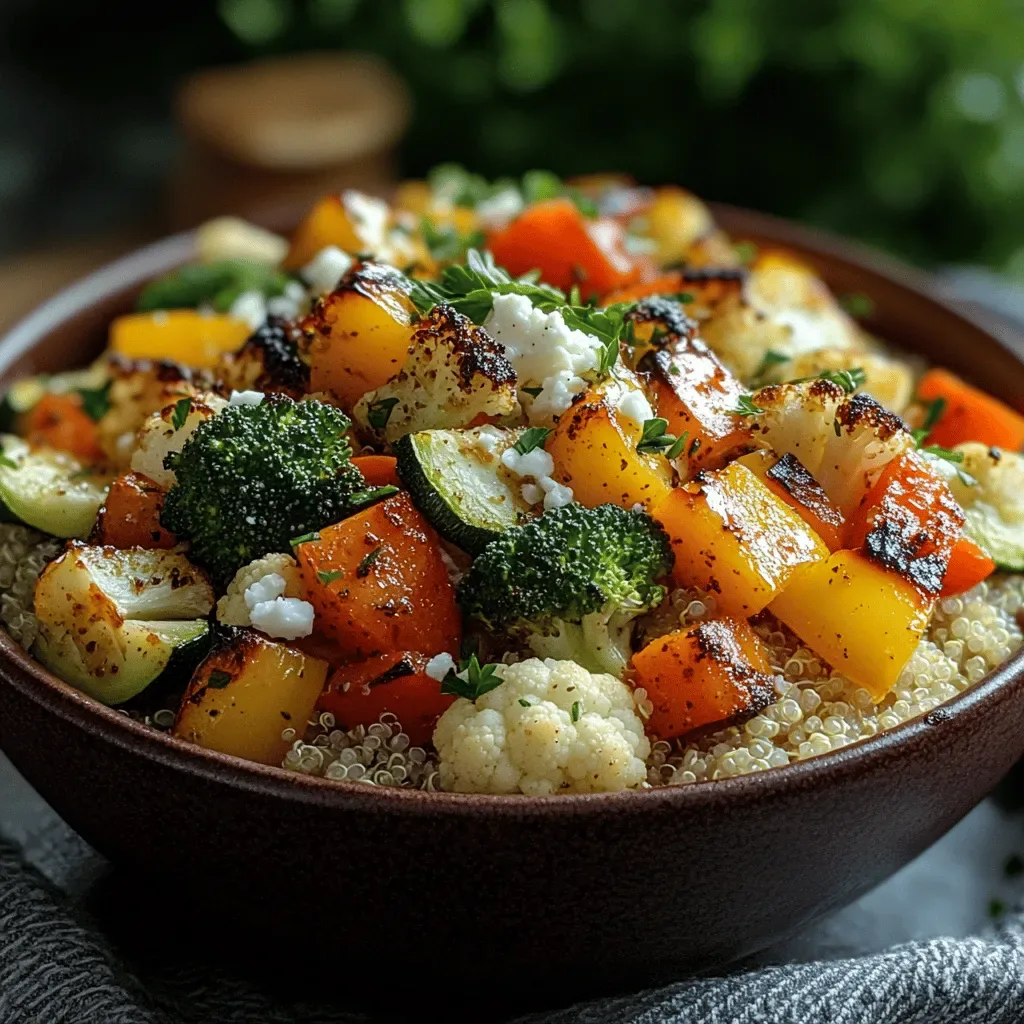
A quick, herb‑infused roasted vegetable bowl that’s perfect for busy weeknights and meal‑prep enthusiasts.
Ingredients
Instructions
Nutrition Facts (per serving)
| Calories | 250 kcal |
| Protein | 6 g |
| Total Fat | 12 g |
| Saturated Fat | 2 g |
| Carbohydrates | 30 g |
| Fiber | 8 g |
| Sugar | 8 g |
| Sodium | 300 mg |
Frequently Asked Questions
Can I use other herbs besides rosemary and thyme?
Yes, you can substitute or add herbs like oregano, sage, or dill. Each herb brings its own nuance—oregano adds an Italian flair, while dill offers a fresh, citrusy note. Just keep the total herb amount around 2 tsp to avoid overwhelming the garlic.
What’s the best way to make this recipe gluten‑free?
All ingredients are naturally gluten‑free. Just ensure any pre‑packed items (like quinoa) are labeled gluten‑free and avoid using soy sauce that contains wheat. The dish is safe for anyone with gluten intolerance.
How do I prevent the vegetables from getting soggy?
Dry the vegetables thoroughly and avoid crowding the pan. Moisture is the main culprit; pat them dry after washing and give each piece space on the sheet. If necessary, use two sheets.
Can I make this ahead for meal prep?
Absolutely—roast the veggies up to a day in advance. Store them in an airtight container in the fridge, then reheat when you’re ready to eat. Adding a fresh squeeze of lemon right before serving revives the bright flavor.
Is it okay to add cheese on top?
Yes, sprinkle feta, goat cheese, or a vegan alternative after roasting. The cheese adds creaminess and a salty contrast, but add it after the oven to keep the texture smooth.
How many calories are in each serving?
Each bowl contains roughly 250 kcal. The count comes from the vegetables, olive oil, and optional grain base. It’s a low‑calorie option that still feels satisfying.
Can I use a convection oven?
Yes—set the temperature to 400 °F (200 °C) and reduce the cooking time by about 5 minutes. Convection circulates hot air, giving you an even crisp without extra oil.
What if I don’t have a mandoline?
A sharp chef’s knife works perfectly. Take your time to cut evenly; consistent size is more important than speed for uniform browning.
Is this recipe suitable for kids?
Definitely—simply omit the rosemary and thyme or replace them with milder herbs like basil. You can also add a drizzle of maple syrup for a subtle sweetness that most children enjoy.
Can I add a sauce?
Yes—tahini, pesto, or a light yogurt dressing complement the flavors well. Drizzle the sauce after the vegetables are plated so the herbs stay fragrant.
Share This Recipe:
You May Also Like

Cottage Cheese and Berry Toast: A Delightful Breakfast Treat
Discover the easy Cottage Cheese Toast recipe that delivers creamy protein, sweet berries, and crunchy whole‑grain goodness – perfect for busy mornings!

Cheesy Taco Stuffed Bell Peppers Recipe
Discover the ultimate Cheesy Taco Peppers recipe—quick, melty, and perfect for busy nights. Learn how to get restaurant‑style flavor at home today!
A Taste of Summer: Refreshing Chilled Avocado Lime Soup Recipe
Discover the bright, creamy Chilled Avocado Lime Soup – a 15‑minute summer staple that’s vegan, gluten‑free, and perfect for hot days. Click for the full recipe!